Master Low-Carb Living & Metabolic Wellness
Evidence-based nutrition guides, chef-crafted keto recipes, net carb counters, and sustainable strategies for lifelong energy and metabolic health.
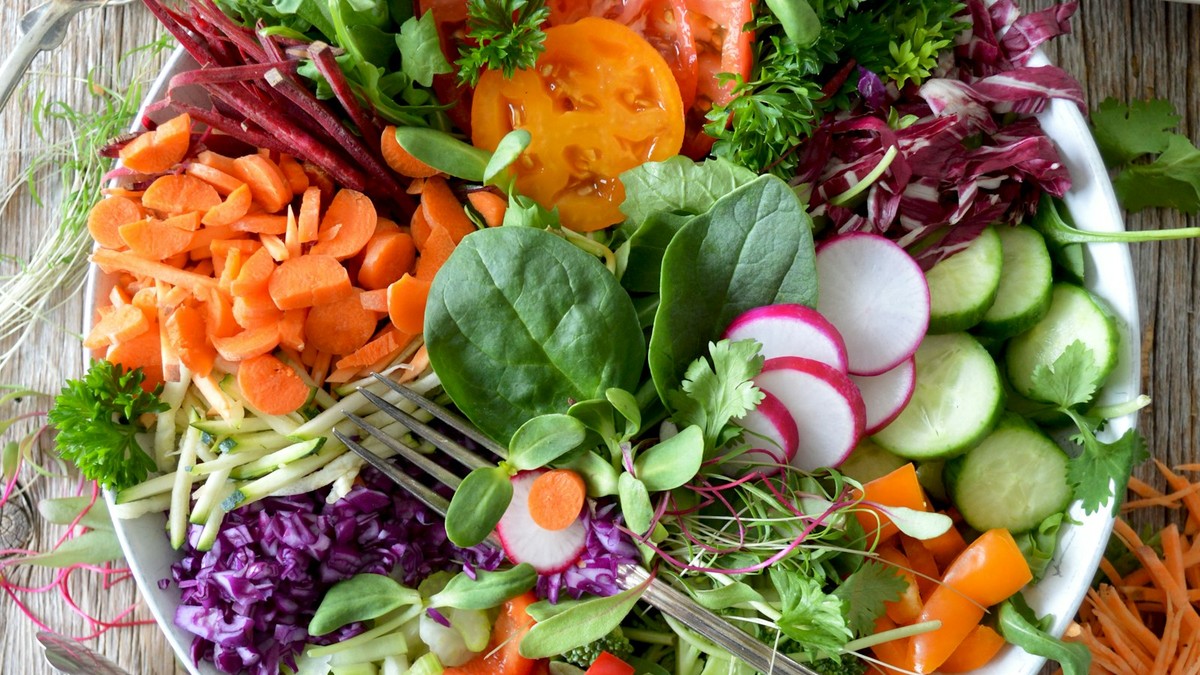
Evidence-Based Nutrition, Simplified
Cut through dietary confusion with clear, actionable low-carb science and wholesome meal ideas.
Accurate Net Carb Tracking
Clear nutritional breakdowns distinguishing total carbs, dietary fiber, and non-glycemic sugar alcohols.
Heart & Metabolic Wellness
Grounded in clinical research on insulin sensitivity, lipid profiles, and cardiovascular biomarkers.
Sustained Energy & Ketosis
Practical strategies to avoid midday brain fog, eliminate sugar cravings, and maintain steady physical energy.
Chef-Tested Recipes
Wholesome, family-friendly meals made with real food ingredients that fit strict low-carb protocols.
Intermittent Fasting Blueprints
Guides to combining time-restricted feeding with low-carb nutrition for enhanced autophagy and fat oxidation.
Science-First Fact Checking
Every guide is fact-checked against peer-reviewed nutritional trials and endocrinology consensus.
Real Results from Real People
"Carb Daily gave me the clarity I needed. Following their net carb meal guides helped me stabilize my blood glucose within 3 months."

"The recipes don't feel restrictive at all. They made healthy low-carb living a natural, sustainable habit for my entire family."

"Clear science, no fad nonsense. Their electrolyte guides alone solved the fatigue issues I had faced for years."

Core Low-Carb & Metabolic Health Pillars
Science-backed nutritional strategies, continuous glucose monitoring (CGM) protocols, and chef-curated low-carb meal frameworks to optimize insulin sensitivity.



Latest Articles & Insights
Clinical research breakdowns, metabolic biomarker guides, and delicious chef-tested keto recipes.

Net Carbs vs. Total Carbs: What Actually Counts in Ketosis
The biochemistry of dietary fiber, sugar alcohols, and allulose: how each impacts glycemic response and ketone production.

The Morning "Dawn Phenomenon" Breakthrough: Why Intermittent Fasters Are Seeing 115 mg/dL Fasting Blood Sugar
Breaking News (Oct 11, 2026): The Morning "Dawn Phenomenon" Breakthrough: Why Intermittent Fasters Are Seeing 115 mg/dL Fasting Blood Sugar — Comprehensive technical breakdown of Endocrinologists explained this morning why physiological insulin resistance and circadian cortisol surges elevate morning glucose levels in fat-adapted individuals without indicating metabolic pathology. with empirical benchmark telemetry, emergency remediation playbooks, and strategic analysis on carbdaily.com.

Continuous Glucose Monitor Leak: Why Eating "Healthy" Oatmeal Spikes Glucose Higher Than a Glazed Doughnut
Breaking News (Oct 11, 2026): Continuous Glucose Monitor Leak: Why Eating "Healthy" Oatmeal Spikes Glucose Higher Than a Glazed Doughnut — Comprehensive technical breakdown of Viral metabolic telemetry data released today reveals that instantaneous starch gelatinization in instant oats triggers extreme postprandial glucose excursions compared to balanced protein-fat breakfasts. with empirical benchmark telemetry, emergency remediation playbooks, and strategic analysis on carbdaily.com.
Frequently Asked Questions
What is the difference between total carbs and net carbs?
Net carbs represent the carbohydrates that your body actively digests and converts into glucose. They are calculated by subtracting dietary fiber and certain non-impact sugar alcohols from total carbohydrates.
Is a low-carb diet safe for long-term health?
Research demonstrates that nutrient-dense, whole-food low-carb dietary patterns can safely improve markers of insulin resistance, blood pressure, and inflammation.
How do I prevent the 'keto flu' when starting out?
Electrolyte replenishment (sodium, potassium, and magnesium) along with adequate hydration is the single most effective way to prevent transition fatigue.
Can I follow Carb Daily recipes if I am vegetarian?
Yes! We feature comprehensive plant-based keto and low-carb guides emphasizing eggs, dairy, avocados, nuts, seeds, and low-glycemic vegetables.